
Mindful Living in Spring
How to Transition from Winter Without Burnout

The light lingers longer.
The air softens.
You open a window for the first time in months.
And suddenly, there’s pressure.
“New season. Fresh start.”
“Time to get back on track.”
“Spring reset.”
But what if spring isn’t about accelerating?
What if it’s about aligning?
The transition from winter to spring can feel energizing — and overwhelming. Even positive change can dysregulate the nervous system. Longer days can feel activating. Renewal can feel like pressure.
Mindful living allows you to move into spring intentionally — not reactively.
Why Seasonal Transitions Affect Your Mood & Nervous System

As we transition from winter to spring:
Daylight increases (affecting circadian rhythm and sleep)
Social activity rises
Expectations around productivity intensify
Environmental stimulation increases
You might notice:
Restlessness
Heightened anxiety
Sudden urgency to overhaul your life
Guilt for not feeling motivated
Disrupted sleep patterns
This isn’t a lack of discipline.
It’s nervous system activation.
Spring brings stimulation; and the shift from hibernation mode can feel abrupt.
Mindful living helps you regulate before you react.
What is Mindful Living?
It’s awareness without judgment.
It’s noticing:
Your energy levels
Emotional fluctuations
Body cues
The difference between inspiration and pressure
It’s choosing response over reaction.
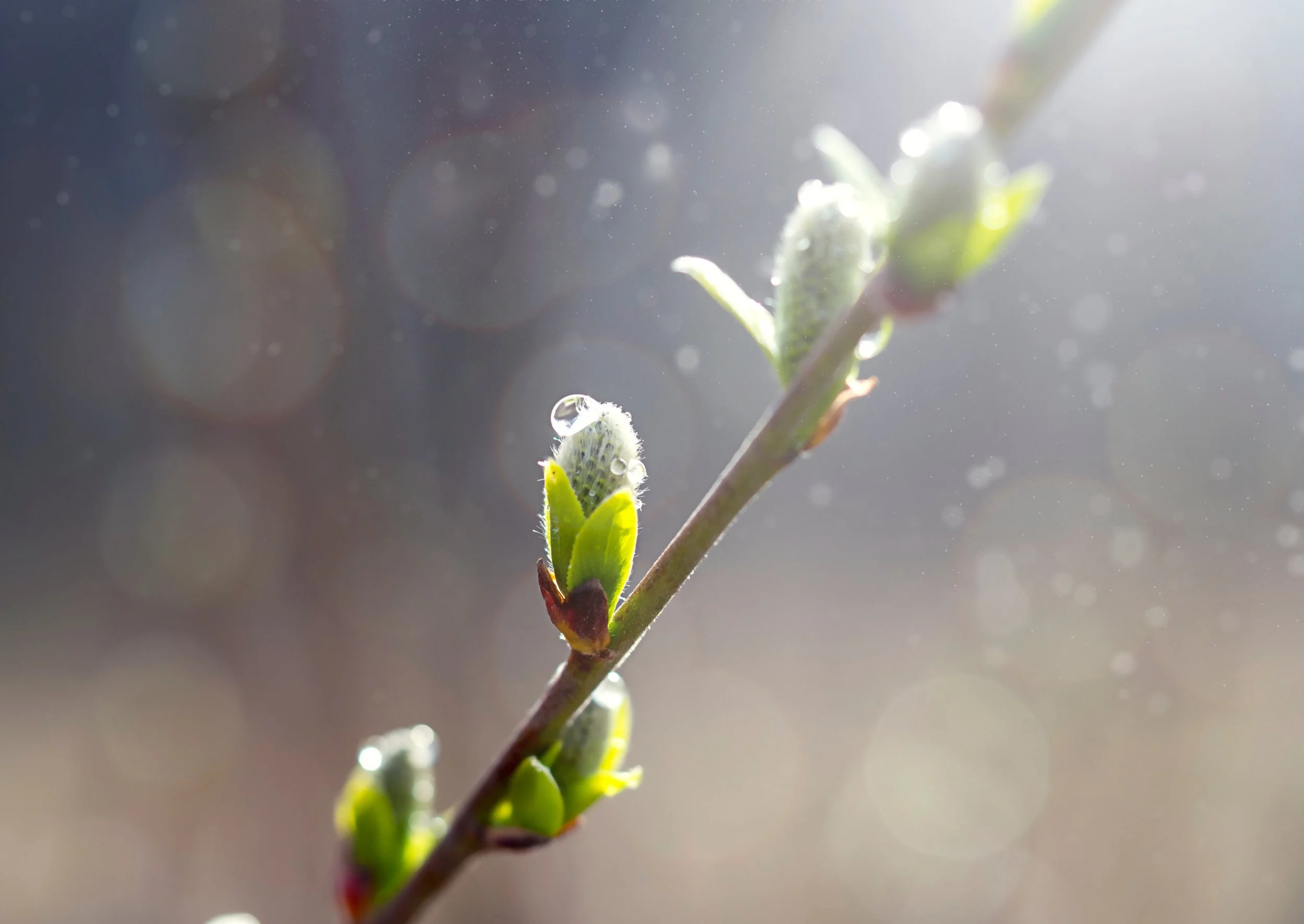
Nature doesn’t bloom overnight. It transitions gradually. You are allowed to do the same.
5 Ways to Practice Mindful Living This Spring
1. Reflect Before You Reset
Before jumping into new routines, pause.
Winter may have:
Slowed your pace
Shifted your priorities
Increased introspection
Required more rest
Ask yourself:
What did this season teach me?
What genuinely supported me?
What am I ready to release?
Intentional reflection prevents reactive reinvention.

Try This:
Reflect on or Write:
“This winter helped me understand ______.”
“This spring, I’m gently welcoming ______.”
2. Regulate Before You Renovate
Spring often triggers a “total life overhaul” impulse.
New workout plan.
New goals.
New habits.
New standards.
Pause.
Sustainable change begins with nervous system regulation.
Check in:
Am I sleeping consistently?
Am I eating regularly?
Do I feel grounded, or am I activated?
Expansion feels safer when your foundation is stable.
Try This:
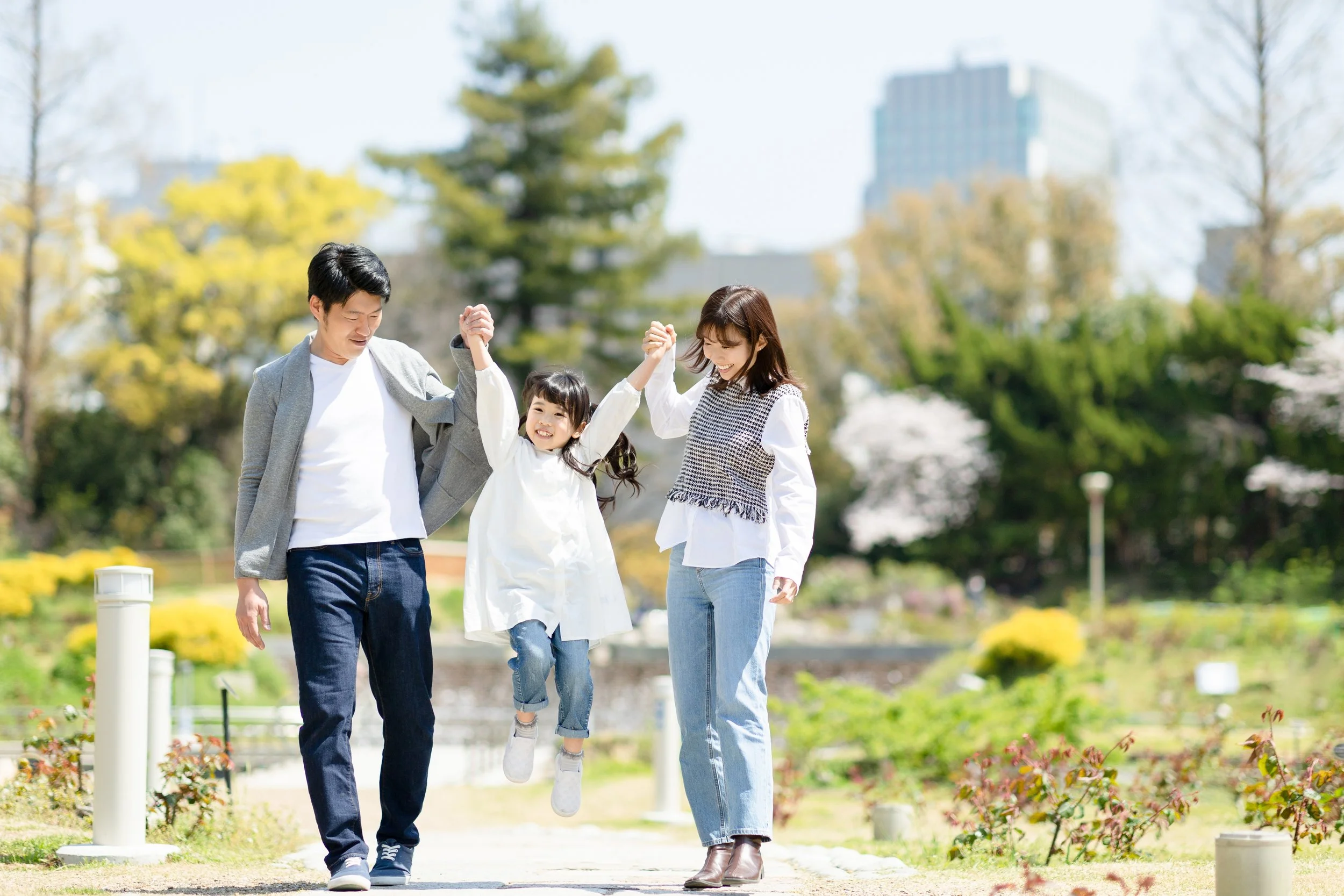
Spend five minutes outside without your phone. Notice one sound, one color, one physical sensation. This simple grounding exercise supports regulation.
3. Redefine Productivity This Season
Spring messaging often equates growth with output.
But mindful living reframes productivity as presence.
Ask:
What actually matters right now?
Where am I performing growth instead of living it?
What would “enough” look like this month?
Growth without regulation leads to burnout. Growth with awareness leads to sustainability.

Try This:
Choose one daily task to complete slowly and without multitasking. Notice how presence changes the experience.
4. Normalize Fluctuating Energy
Spring is a transition season. Fluctuation is normal.
You may feel:
Energized one day
Fatigued the next
Motivated in the morning
Irritable by evening
This isn’t inconsistency. It’s recalibration.
Your circadian rhythm, mood, and nervous system are adjusting to new environmental cues. Give your body time to synchronize.

Try This:
When energy dips, say:
“My body is adjusting. I don’t need to force productivity.”
5. Set Intentions Instead of Expectations
Nature doesn’t demand instant bloom. It unfolds.
Instead of rigid goals, choose a seasonal intention:
Grounded
Steady
Open
Curious
Balanced
Rested
Intentions guide behavior gently. Expectations create pressure.

Try This:
Write your word somewhere visible. Let it anchor decisions throughout the season.
Closing Insight…
If spring feels activating rather than inspiring, that doesn’t mean you’re behind.
It may mean:
Your nervous system needs pacing
Your energy is recalibrating
You need regulation before expansion
Mindful living during seasonal transitions means:
Moving gradually
Checking in before committing
Releasing comparison
Aligning growth with capacity
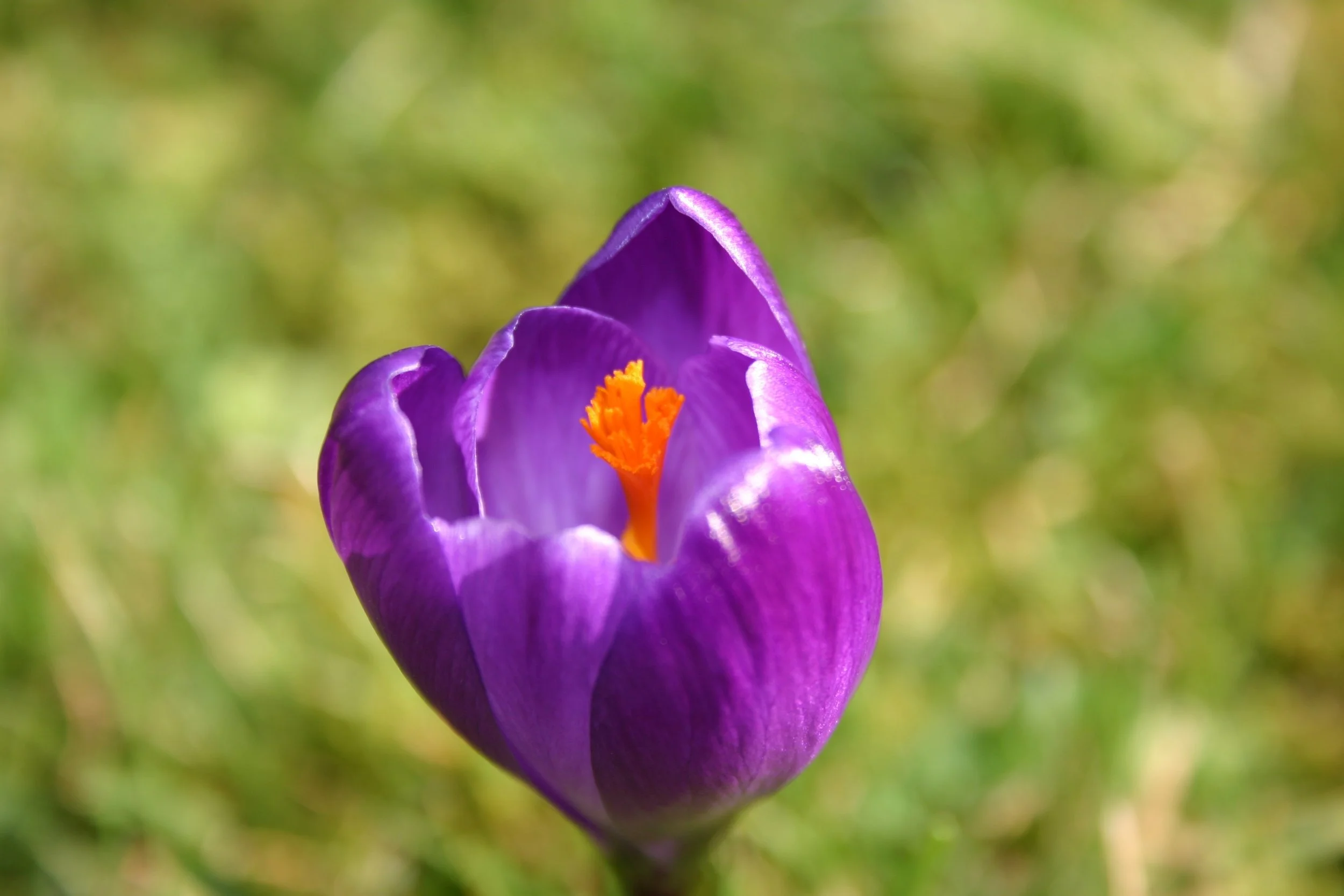
You do not need to bloom loudly.
You do not need to bloom quickly.
You do not need to bloom for anyone else.
Spring isn’t a productivity contest.
It’s a transition.
And transitions deserve gentleness.
Growth is healthiest when it’s regulated.
And like spring, it unfolds over time.
At Serene Insights, we work with adults experiencing stress, anxiety, trauma, and life transitions, helping you regulate your nervous system and move forward with steadiness instead of urgency. Therapy offers a supportive space to slow down, understand what’s happening beneath the surface, and respond with intention rather than overwhelm.
Growth is most sustainable when it’s supported.